
Call Our Experienced Team
02394 161616
Car Repairs and Servicing
Motorcycle Brakes
How to Spot Failing Brakes
The problem with brake failure is that it can be hard to diagnose. Wear and tear on brake discs and pads can’t always be seen very easily, but there are other ways to diagnose issues.
Commonly you’ll find two types of brake systems:
a) Disc Brakes &
b) Drum Brakes.
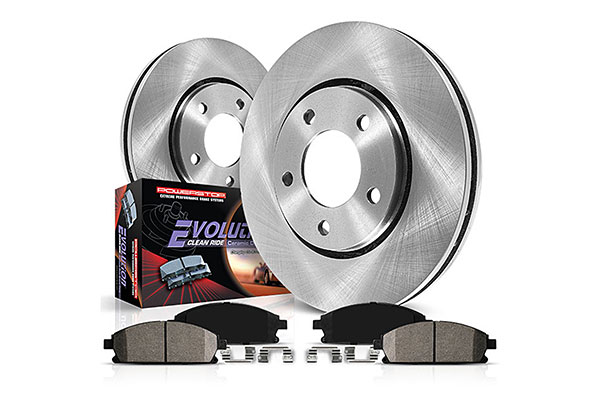
Disc brakes are often found on modern cars’ front wheels and are made up of a shiny disc behind the wheel, and a gripping clamp known as a brake caliper, which includes brake pads. Pads are made of a hard wearing material that presses against the brake disc, slowing it down using friction.
Drum brakes are fitted within the hollow hub of the back wheels, and an internal brake ‘shoe’ pushes outwardly against the drum to slow down the vehicle.Both types use friction to decelerate, between the disc or drum and a hard-wearing heat-resistant material such as composite steel and resin on the brake pad or shoe.
Brake pads are made to withstand extreme heat and wear from pushing against the disc, but no brake pads (yet!) last forever. Brake pads will need replacing when they get worn down to unsafe levels.
How to Spot When Brakes Are Getting Worn
There are several signs that your brakes are getting worn and may need replacing soon.
These include:
- Squealing or grinding brakes.
- If you hear a grinding or squeaking when you brake, it’s likely that your brake pads have worn away and need replacing. Other tell-tale signs of problems include clicking (spring problems) and pulsating (warped rotor or drum), and these should be checked by an expert as soon as possible.
- Anything out of the ordinary in the way your vehicle drives can mean issues that need resolving, and with brakes, signs include spongy or light brakes or an increased stopping distance, which can be an early indicator of brake system problems.
- Surface pitting or corrosion on the brake disc
- Visible pitting, rust or corrosion on the brake discs or drums are not good signs that your brakes will live long and prosper.
- Juddering brake pedal / “distortion”
- Friction creates heat on the disc and pads and can wear the disc unevenly, meaning when you press the brake pedal you might feel juddering. This may also cause the pads to wear away more quickly.
- Wave on the edge of the brake disc / “run out”
- If the brake disc isn’t fitted tight and flat to the wheel, you’ll experience a similar juddering effect to distortion, and this will also wear your brakes more quickly.